X-PHY AI MCP Security
Redefining Agent Security at the Hardware Level
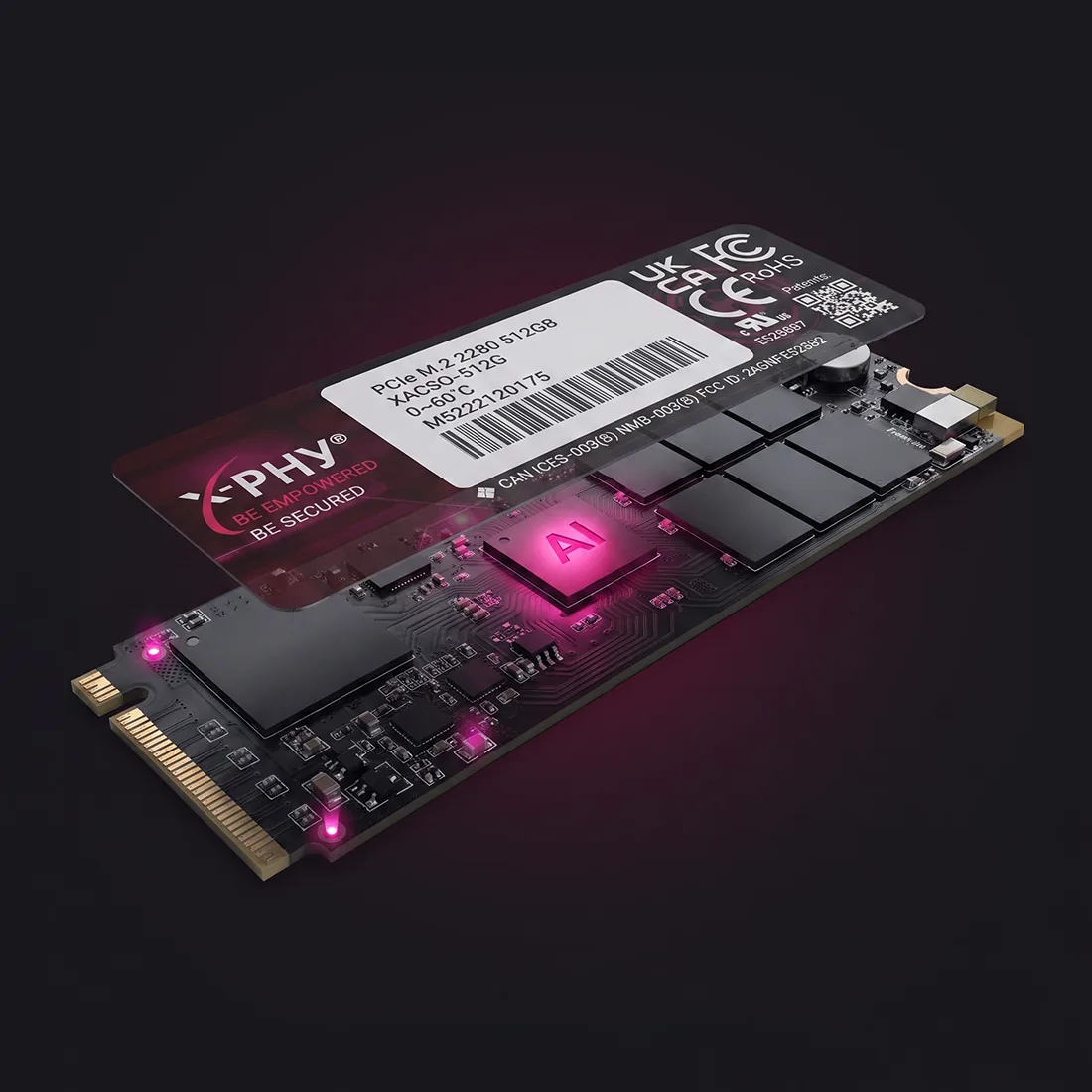
A Cybersecure SSD, managed console and MCP server integration — one proactive layer beneath the operating system, guarding your agent’s control plane against stolen sessions and zero-day ransomware.
M.2 2280 PCIe and additional form factors · Enterprise and OEM licensing
How It Works
Your Final Line Of Defence Starts At Hardware Level
Your stack protects six of seven OSI layers. Layer 1 has passwords and encryption at rest, and nothing watching it. X-PHY sits there, assuming the host is already compromised.
Sub-OS Enforcement
Policy is applied in the drive itself, beneath anything the operating system can be persuaded to do.
Firmware-Level Detection
Read, write and overwrite patterns are judged on the controller, where a compromised host has no say.
Tamper-Proof Audit
The record of what happened survives a wipe, a reformat and the removal of the drive.
Product Features
Five Layers Built Into The Drive
X-PHY® AI One Core
- Monitors read, write and overwrite activity for abnormalities.
- Stops ransomware and zero-day threats, air-gapped.
X-PHY® X-Trust Encryption
- Keys are held and enforced on the drive, so an encrypted volume stays encrypted to a host that has already been taken.
X-PHY® Forensic Agent
- Captures an evidence trail on the controller that a wipe or reformat cannot rewrite.
X-PHY® Site Secure Sensors
- Detects physical tamper and drive removal, and reacts without waiting for the operating system.
X-PHY® DC Agent & Managed Console
- Fleet-wide policy, alerting and remote lock or wipe of a compromised endpoint from one console.
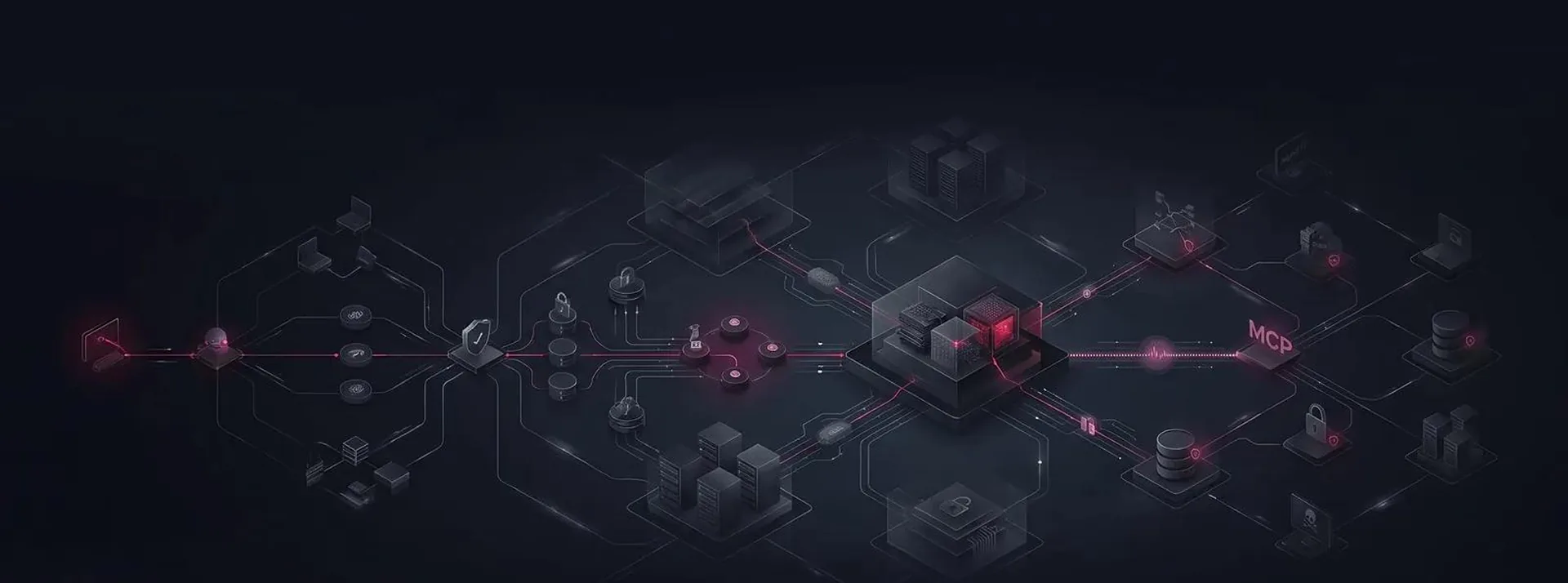
Attack Path
The Same Architecture, Seen By An Attacker
Nothing about the diagram changes. Only who is holding the token.
- Step 01
Break In
A single endpoint is compromised — phishing, a stolen laptop, an unpatched dependency.
- Step 02
Steal The Token
The session token is harvested from local storage. To every system downstream, that token is a legitimate, fully authorised agent.
- Step 03
Hijack The Agent
The attacker drives the agent with its own credentials, through its own interface.
- Step 04
Blend In
Traffic rides the legitimate MCP channel. To the gateway and the firewall it looks like ordinary agent activity. Nothing looks wrong.
- Step 05
Raid Every Session
Every database, API and tool the agent was trusted with is reachable — at once.
The blast radius
One stolen credential no longer means one breach. It means every session, every system and every dataset the Agent Server was trusted with, taken at once — through the one channel your entire perimeter was built to trust.
Protection Coverage
What Each Layer Of Your Stack Actually Covers
| Protection Coverage | X-PHY AI MCP Security | MCP / API Gateway | EDR & Endpoint Software |
|---|---|---|---|
| Session & identity | |||
| Authenticates the session | Covered | Covered | Not covered |
| Verifies the machine holding the credential | Covered | Not covered | Not covered |
| Credential encrypted at rest on the endpoint | Covered | Not covered | Covered |
| Threat detection | |||
| Known threats | Covered | Covered | Covered |
| Unknown / zero-day behaviour | Covered | Not covered | Not covered |
| Abnormal read/write at memory level | Covered | Not covered | Not covered |
| Physical & resilience | |||
| Physical tamper & drive removal | Covered | Not covered | Not covered |
| Audit trail survives wipe or reformat | Covered | Not covered | Not covered |
| Operates offline / air-gapped | Covered | Not covered | Covered |
| Remote lock & wipe of a compromised endpoint | Covered | Not covered | Covered |
Scroll horizontally to compare all four columns.
Industries
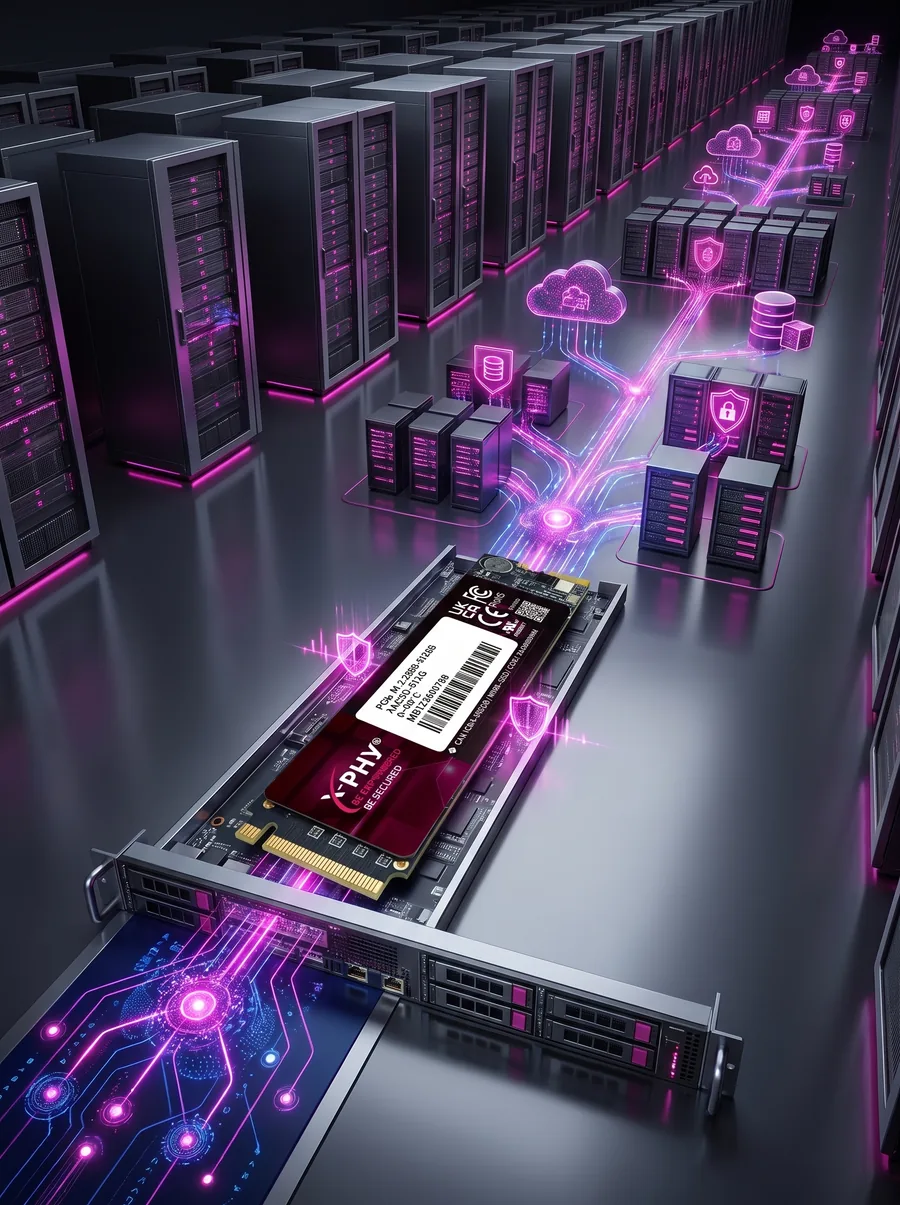
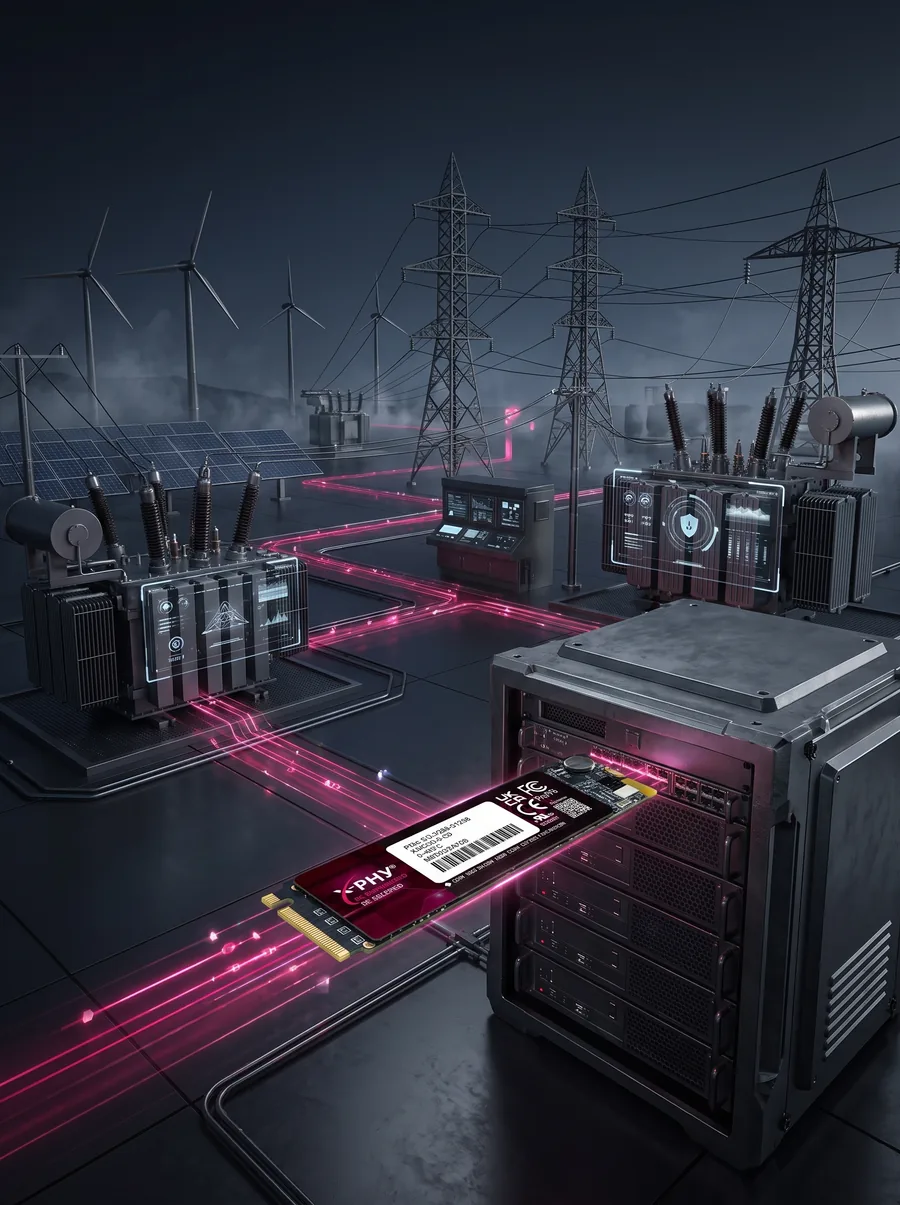
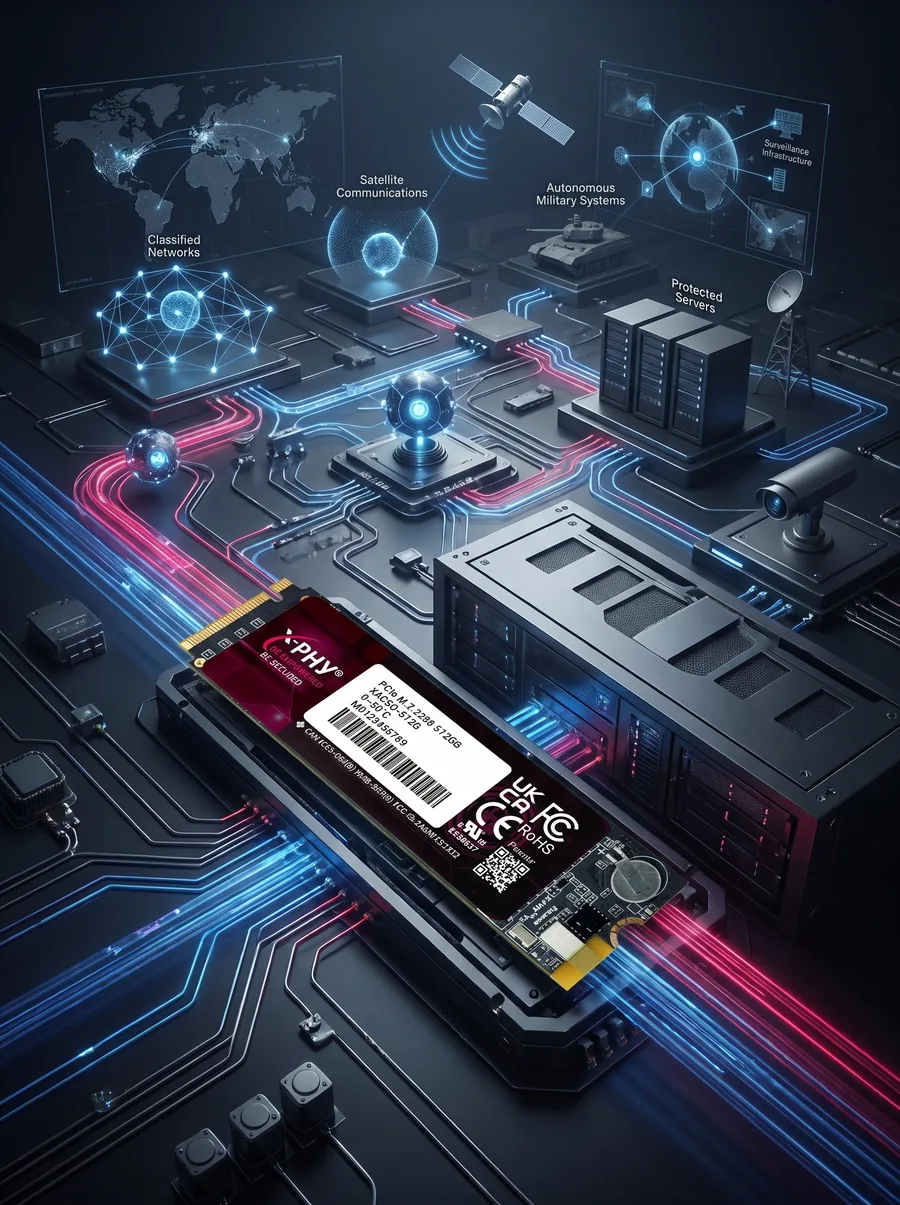
Where The Agent Layer Already Runs
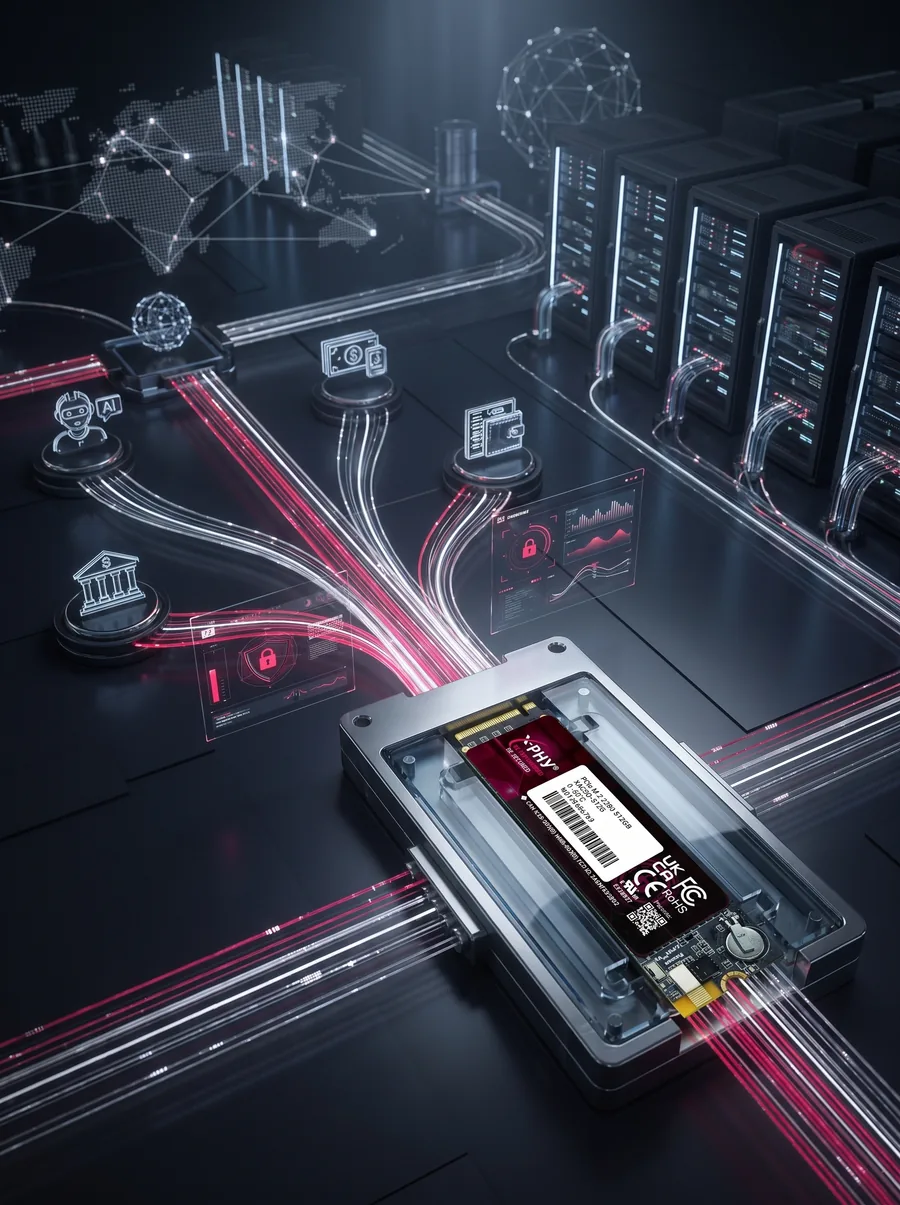
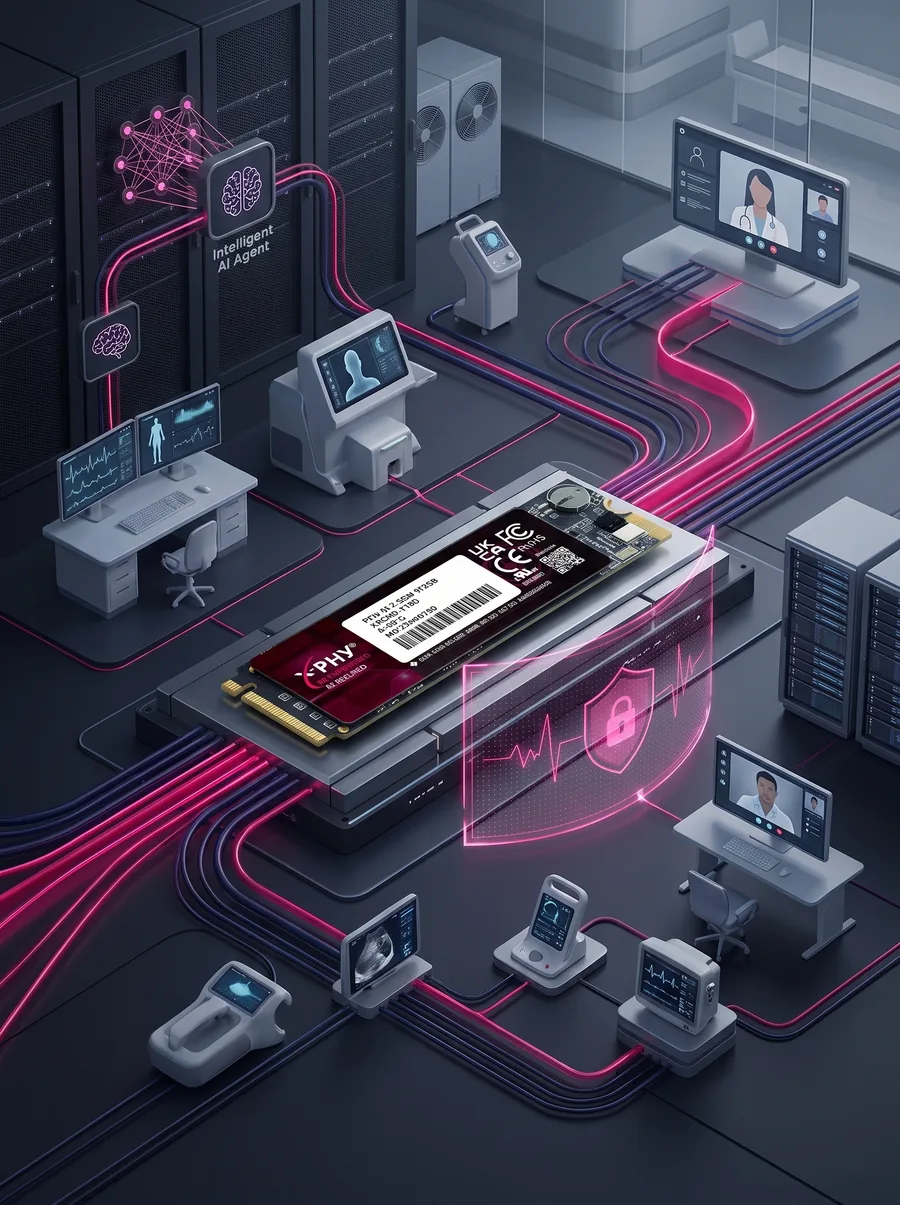
Clear Answers. Zero Confusion.
Frequently Asked Questions
What is MCP security?
Model Context Protocol (MCP) is the standard that lets an AI agent plug into databases, APIs and business tools through one common interface. MCP security is the practice of protecting that control plane — the agent’s identity, its session credentials, and the traffic flowing between agent and tool.
The difficulty is that MCP traffic is authorised traffic. It carries a valid token, over a valid channel, exercising permissions the agent genuinely holds. To a firewall or gateway inspecting for known-bad behaviour, an attacker operating a hijacked agent looks identical to the real thing — which is why perimeter tooling alone cannot close this gap.
Why does AI agent security need hardware?
Every software control runs on a host that may already be compromised. X-PHY enforces beneath the operating system, on the drive’s own controller, so its judgement does not depend on the integrity of the machine it is protecting.
How does X-PHY protect an MCP deployment?
The drive holds the credentials the agent uses and watches the access patterns around them. Abnormal read, write or overwrite behaviour is stopped at the controller, and the attempt is recorded in an audit trail the host cannot rewrite.
Does it work offline, or does it need internet to function?
It works offline. Detection and enforcement are autonomous and run on the drive itself, which is why it holds up in air-gapped deployments. The managed console adds fleet visibility when connected, but protection does not wait for it.
What evidence is available after an incident?
A tamper-proof record held on the controller: what was accessed, when, and the action taken. It survives a wipe, a reformat and removal of the drive.
Will X-PHY work with our current systems?
Yes. It presents as a standard M.2 2280 PCIe drive, with additional form factors and enterprise or OEM licensing available, so it drops into existing hardware without changes to your applications.
Your Data’s Last Line Of Defence, Now Its First Responder
Includes SSD, DC Agent and Managed Console · info@x-phy.com