Skip to content

Try X-PHY Deepfake Detector Free for 30 Days

Anyone can be a cybercriminal – should we be worried?

Crime as a Service in cybersecurity, more commonly called Cybercrime-as-a-Service (CaaS), is an underground business model in which criminals sell or rent ransomware, malware, phishing kits, botnets, stolen credentials, and network access to other attackers. It enables individuals with limited technical skills to launch sophisticated cyberattacks at scale. Organisations can reduce exposure through multi-factor authentication, rapid patching, network segmentation, continuous monitoring, secure backups, and tested incident-response plans.

The world of cybercrime is a beneficiary of the same “as-a-service” models that have helped organizations lower costs and improve efficiency over the last few years. Our CEO Camellia Chan explores the implications of this unwelcome development in our fight against cybersecurity in this piece penned for Assured UK. Commercial-style criminal services have made attacks faster to launch and easier to scale.

Camellia highlights that even as Crime-as-a-Service (CaaS) models democratize cybercrime, it does not compromise the execution quality of attacks. These service providers often act as Managed Service Providers (MSPs), ensuring the effectiveness of the attacks orchestrated by their less experienced customers.

Addressing this, Camellia emphasizes the indispensable need for comprehensive educational initiatives and meticulous data governance. She suggests a multi-faceted approach to cybersecurity, including investing in hardware-level defenses and breakthrough AI technologies. These measures aim to enhance continuous and precise monitoring of threats, fortifying defenses against the relentless influx of cyber threats.

Ultimately, despite the advancements in cybersecurity, Camellia stresses that there is no foolproof defense system, and leaders should focus on mitigating potential damages through greater awareness of existing threats, understanding criminal business models, and implementing multi-layered cybersecurity defenses.

Read the full article for a detailed exploration of the Crime-as-a-Service model and our recommendations on fortifying defenses against evolving cyber threats.

XP
Written by X-PHY Security Team
Cyber Threat Intelligence, AI-Driven Defence & Hardware-Level Security Specialists
Last updated: July 21, 2026
Content is reviewed by X-PHY security engineers to ensure accuracy and relevance, reflecting the latest developments in cybercrime trends, defence strategies, and hardware-based cybersecurity technologies.

More Posts

X-PHY AI Armor will watch AI agents at the protocol level and enforce controls at the hardware level, closing the gap left open by software-only controls. Singapore, 10 November 2026 […]

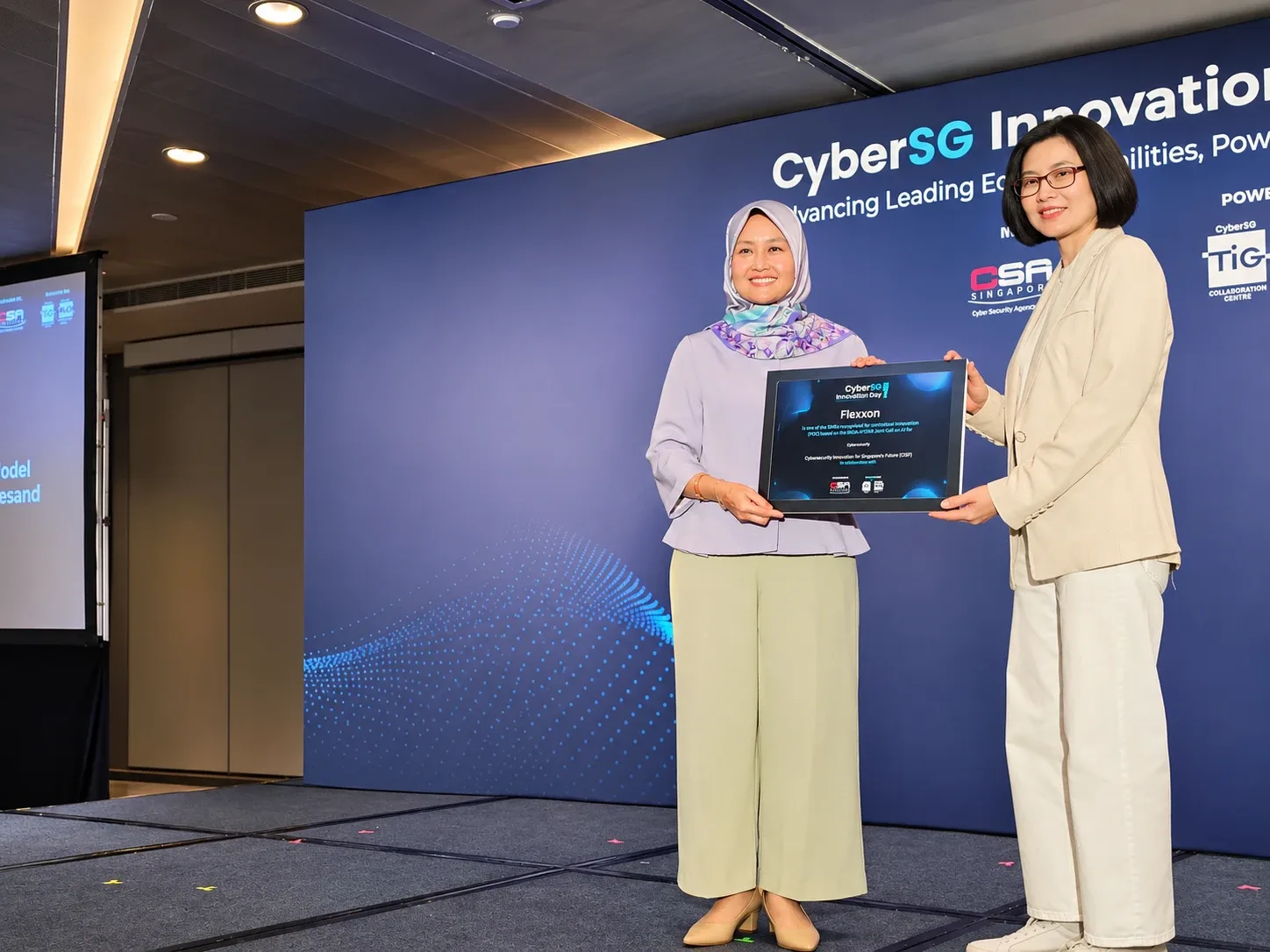
May Chng of Flexxon receiving the CyberCall 2025 award from Ms Rahayu Mahzam at CyberSG Innovation Day

As organisations increasingly look to build their own servers to run AI systems, the two companies are working to ensure purpose-built infrastructure and security go hand-in-hand  Singapore/Bengaluru, 20 October 2026 […]

Flexxon Partners with Tech4Biz Solutions

Loan collection teams are now squarely in the crosshairs of generative-AI fraud — voice clones of borrowers calling to settle debts they don’t owe, impersonated collections agents diverting payments, and AI-generated audio used to fabricate compliance disputes. The X-PHY® Deepfake Detector blocks these attacks in real time, on the agent’s endpoint, before they reach a payment or a regulator.

Deepfake Fraud in Loan Collections